
Commercial In-Duct Bipolar Ionisation for AHUs and HVAC Systems
PurAire SG-BPI Glass DBD Air Treatment for Commercial Buildings
We offer models to handle airflow from 3,100 to 36,000 CMH.
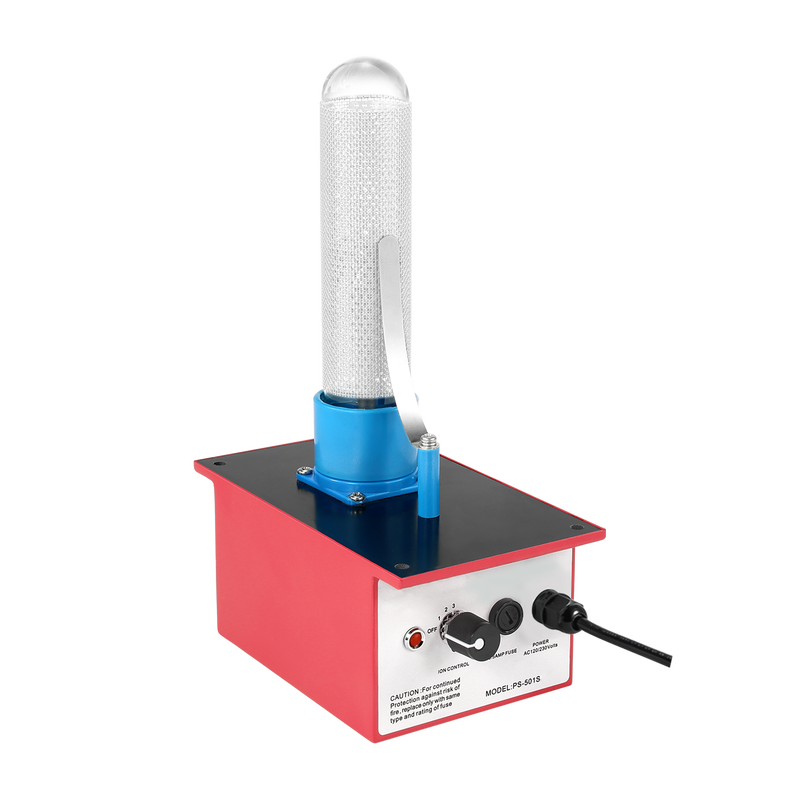
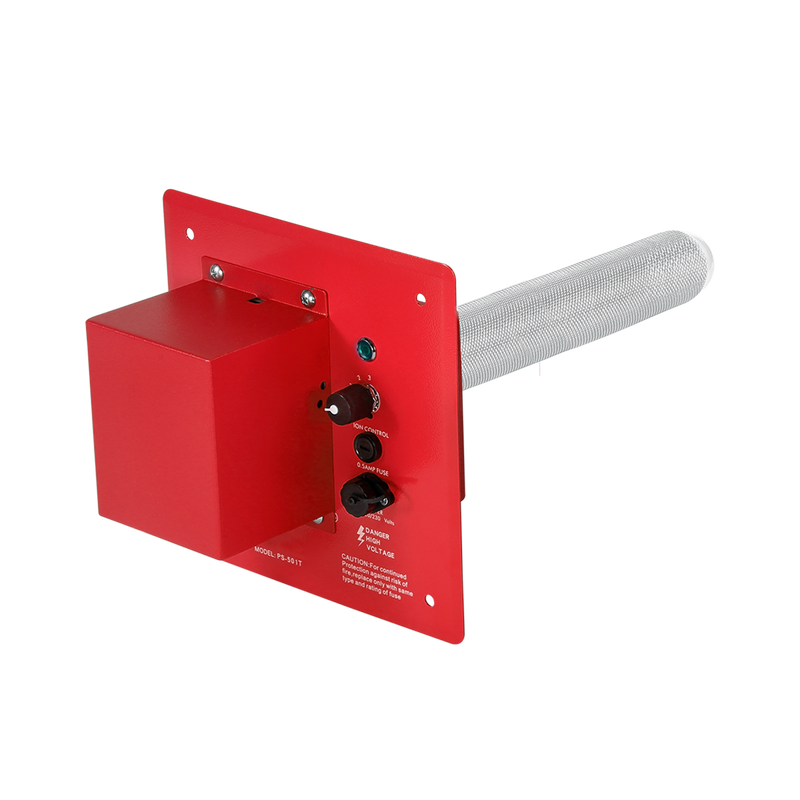
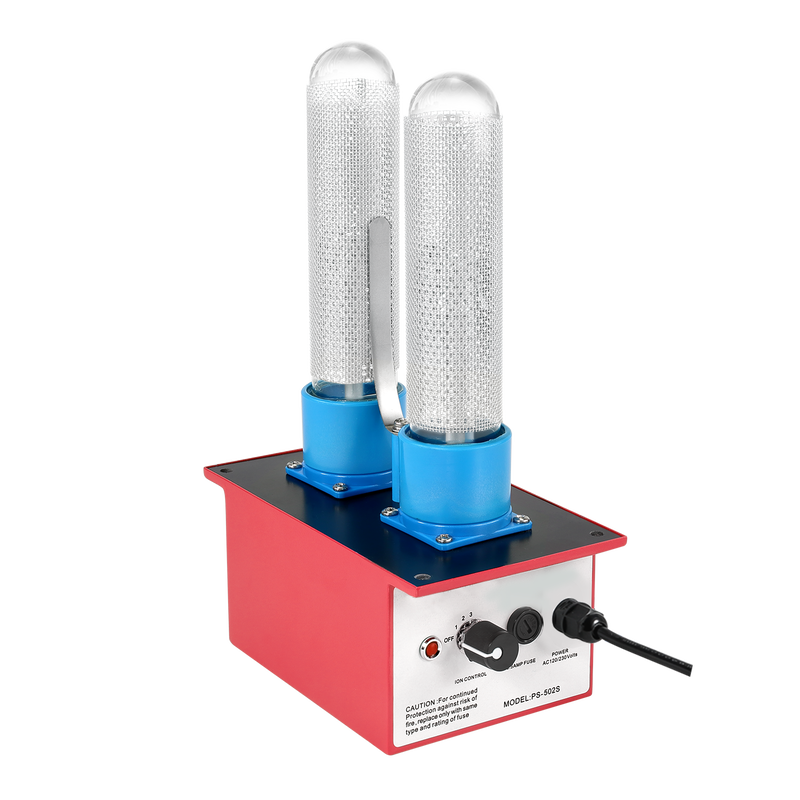
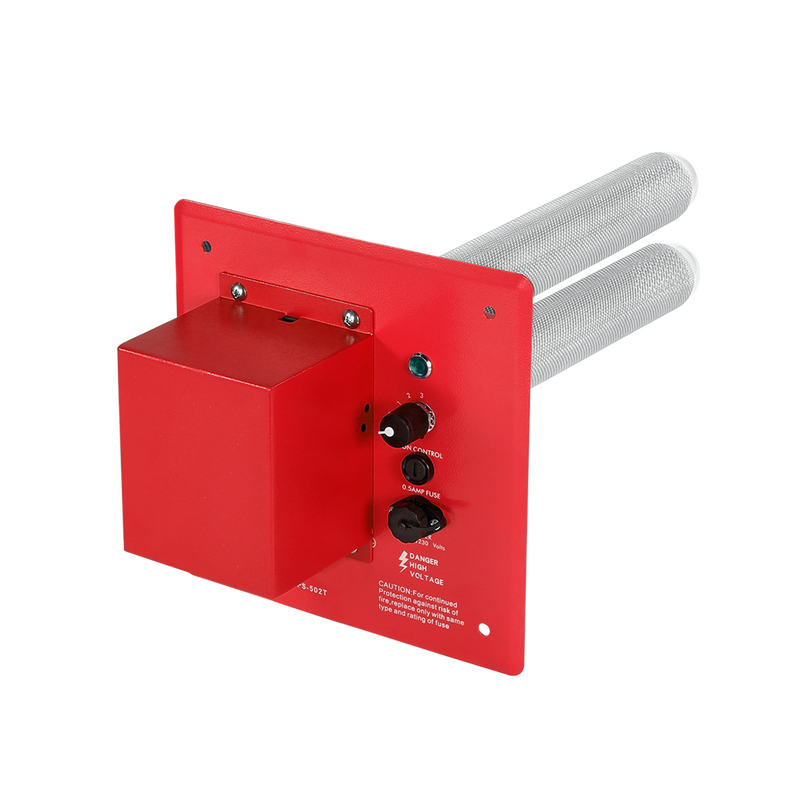
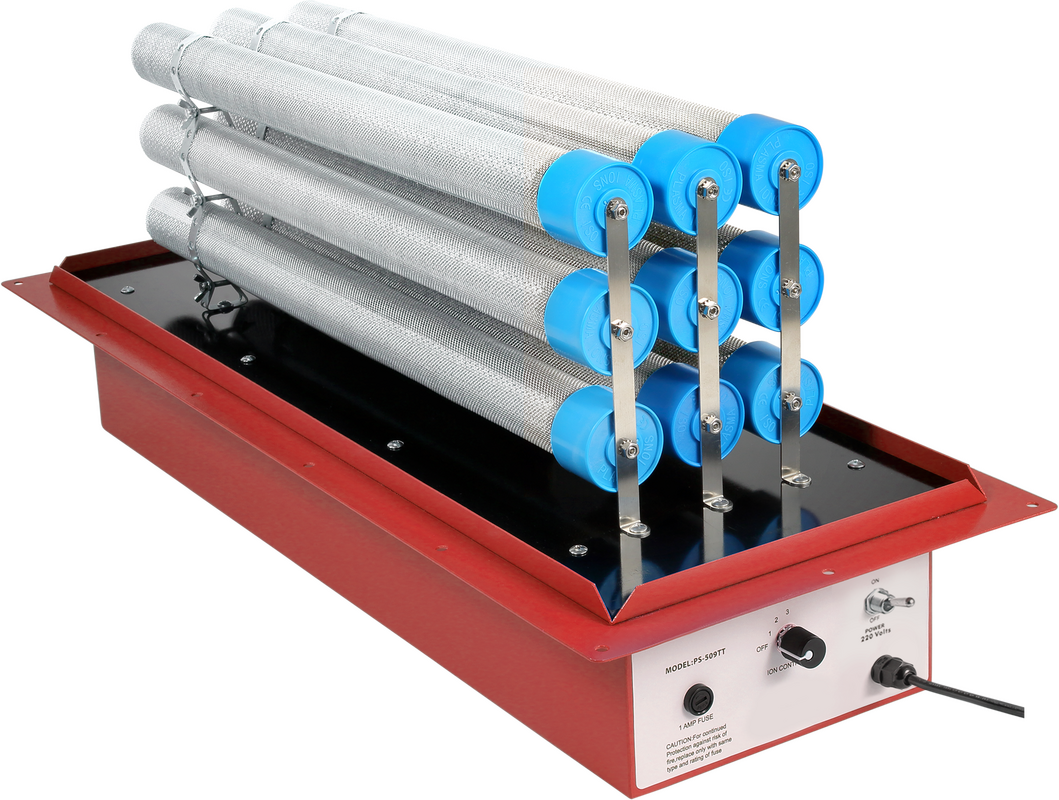
What is an In-Duct Bipolar Ioniser?
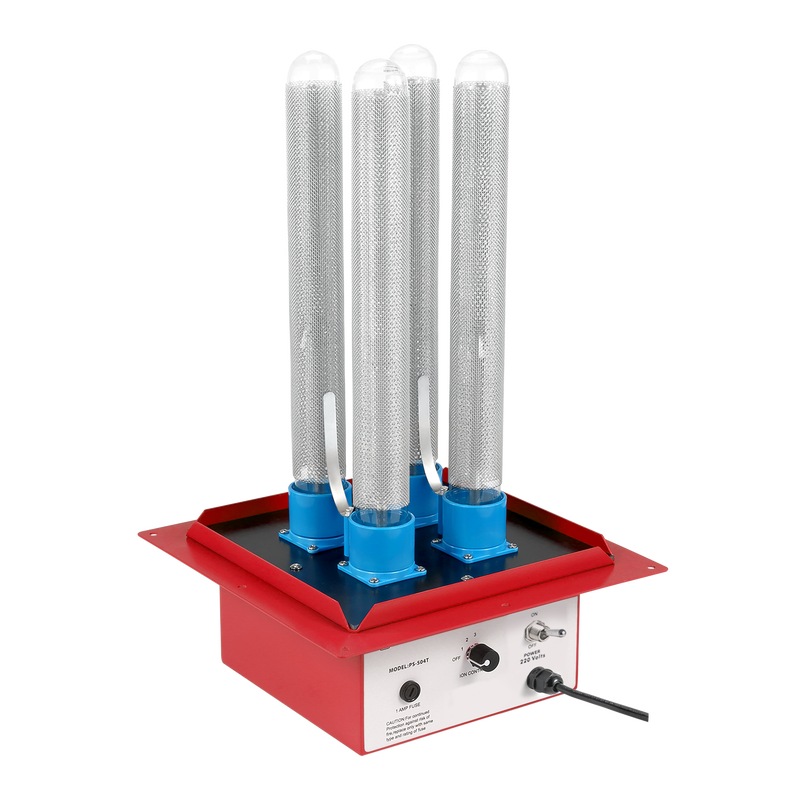
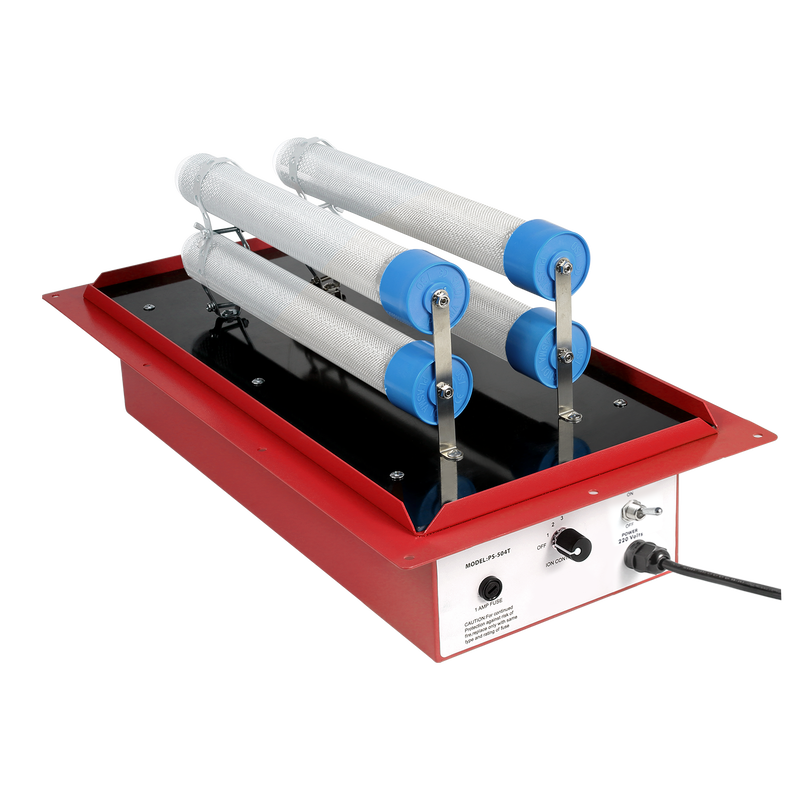
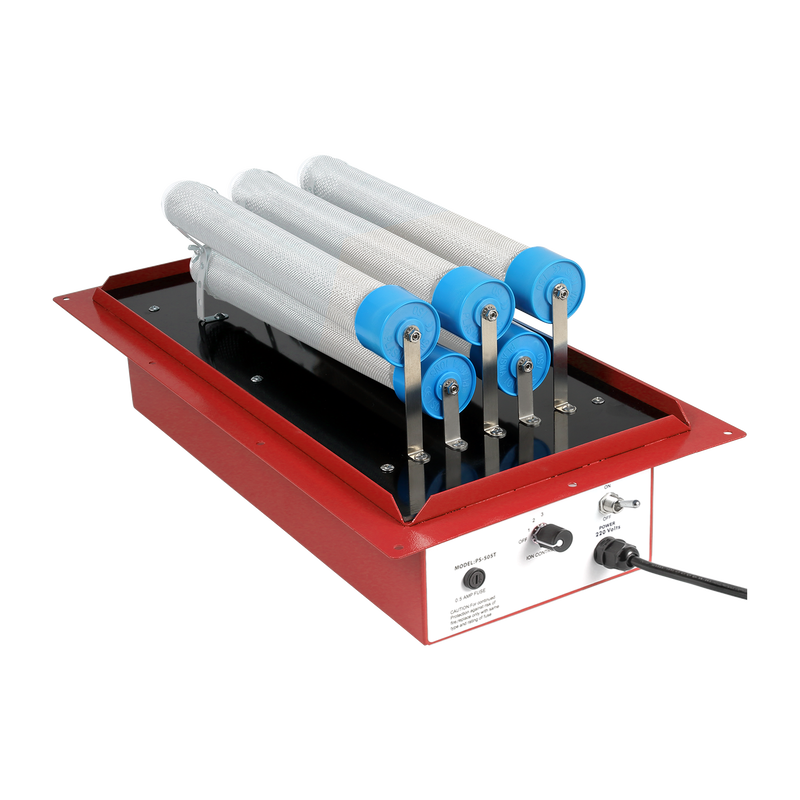
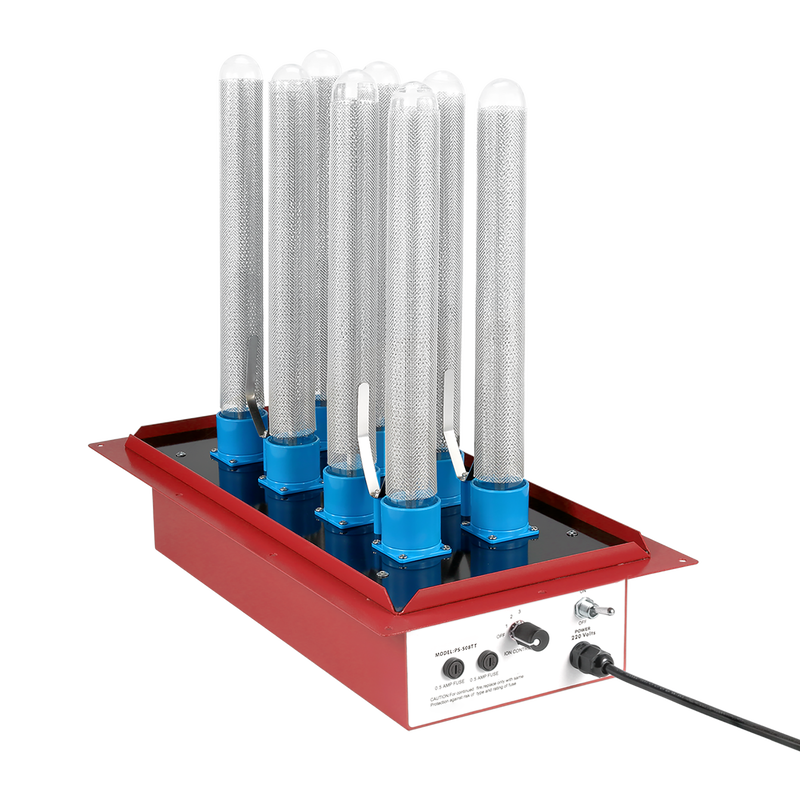
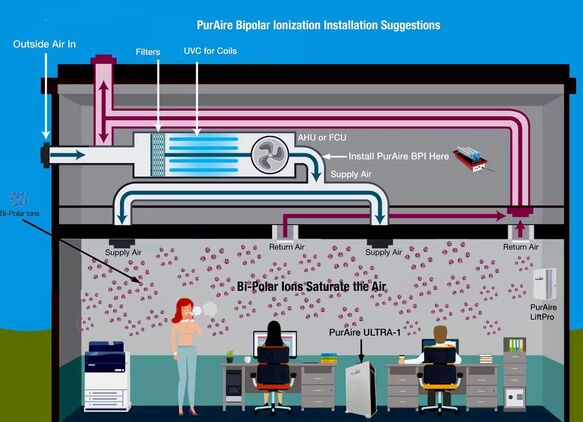
An in-duct bipolar ioniser is installed inside an air handling unit or HVAC supply duct, so that ions are introduced directly into the conditioned air as it moves through the ventilation system.
Unlike a portable unit, an in-duct system uses the building’s existing HVAC airflow to distribute ionisation across every room and zone served by that air-handling system. One correctly sized unit in the plant room does the work of dozens of room-side devices.
PurAire SG-BPI systems use Glass DBD bipolar ionisation and are intended for continuous commercial HVAC applications — hotels, offices, hospitals, shopping malls, casinos, restaurants and institutional buildings.
Why Use Bipolar Ionisation Inside the HVAC System?
Continuous, Silent, Descrete HVAC-Integrated Treatment
Ionisation is introduced directly into the conditioned air stream while the HVAC system is operating. There is no additional equipment occupying the room and nothing for guests or building occupants to operate.
Centralised Odour Control
A correctly sized system can eliminate persistent tobacco, food, body, musty, renovation-related and other commercial odours throughout the areas served by the AHU.
Helps Address Musty HVAC and Coil-Related Odours
When installed upstream of the cooling coils, treated air reaches the coil face before entering the downstream supply system.
Depending on system conditions, this can help address persistent musty odours associated with damp HVAC components. Any effect on coil-cleaning frequency depends on the installation, operating environment and existing maintenance programme.
Works With Your Filtration, Not Instead of It
Bipolar ionisation and filtration perform different functions.
PurAire SG-BPI systems are intended to work as part of an overall indoor air quality strategy together with appropriate ventilation, filtration, HVAC maintenance and source control.
Scalable for Commercial HVAC Systems
Models are available in multiple tube configurations, from 3,100 CMH through to major central plant at over 36,000 CMH. Smaller fan coil applications are served by the SG-Mini series.
How is a PurAire In-Duct Ioniser Sized?
By airflow, not only by floor area.
An in-duct ioniser treats the air moving through the HVAC system, so the primary sizing figure is the airflow through the AHU or duct — measured in CMH or CFM.
Floor area alone is not a reliable way to size an in-duct ionisation system. Two buildings with the same floor area can have very different HVAC capacities, air-change rates and operating conditions.
To size the system properly, we normally ask for:
- AHU airflow in CFM or CMH
- Duct dimensions
- Number of AHUs
- Rooms or zones served by each AHU
- Available installation space
- Airflow direction and, where available, air velocity at the installation point
- HVAC operating hours
- Existing fan controls or BMS arrangement
- The odour or indoor-air problem you are trying to address
Final model selection should be based on the actual HVAC system rather than a published square-metre figure.
Published floor-area figures should be treated only as general application guides.
PurAire SG-BPI In-Duct Model Range
| Model | Rated Airflow | Typical Application |
|---|---|---|
| SG-BPI-1V / 1H | 3,100 CMH | Small commercial AHUs and supply ducts |
| SG-BPI-2V / 2H | 6,000 CMH | Small to medium AHUs |
| SG-BPI-4V / 4H | 11,000 CMH | Medium commercial AHUs |
| SG-BPI-5H | 15,300 CMH | Medium to large AHUs |
| SG-BPI-8V / 8H | 20,400 CMH | Large commercial AHUs |
| SG-BPI-9H | 28,900 CMH | Large AHUs and institutional plant |
| SG-BPI-12 Series | 36,000 CMH | Major central plant and high -volumne AHUs |
V and H denote vertical and horizontal tube orientation for the mounting position. Performance is the same.
For fan coil units and smaller ducts below 3,100 CMH, see the PurAire SG-Mini series.
The SG-BPI Series: Scalable Ionisation for FCU, AHU, Supply Air Ducts
PurAire SG-BPI-1
A single ionisation tube for compact ductwork and smaller air handling systems. Eliminates odours and airborne microorganisms in the supply air before it reaches the space.
The SG-BPI-1 is available with both vertical tube configuration (shown) or 1 horizontal tube.
- Best for small-to-medium office split-ducts, individual boutique shops, and compact AHU zones.
PurAire SG-BPI-2
Dual-tube configuration for smaller commercial AHUs and supply ducts where greater ionisation capacity than a single-tube model is required.
The SG-BPI-2 is available with both vertical tube configuration (shown) or 2 horizontal tubes.
- Best for small-to-medium office split-ducts, individual boutique shops, and compact AHU zones.
PurAire SG-BPI-4
Four-tube configuration designed for medium commercial AHUs and supply-air systems, with adjustable ionisation output.
The SG-BPI-4 is available with both vertical tube configuration (shown) or 4 horizontal tubes
- Best for open-plan offices, restaurants, schools, medical waiting wings, and medium commercial buildings.
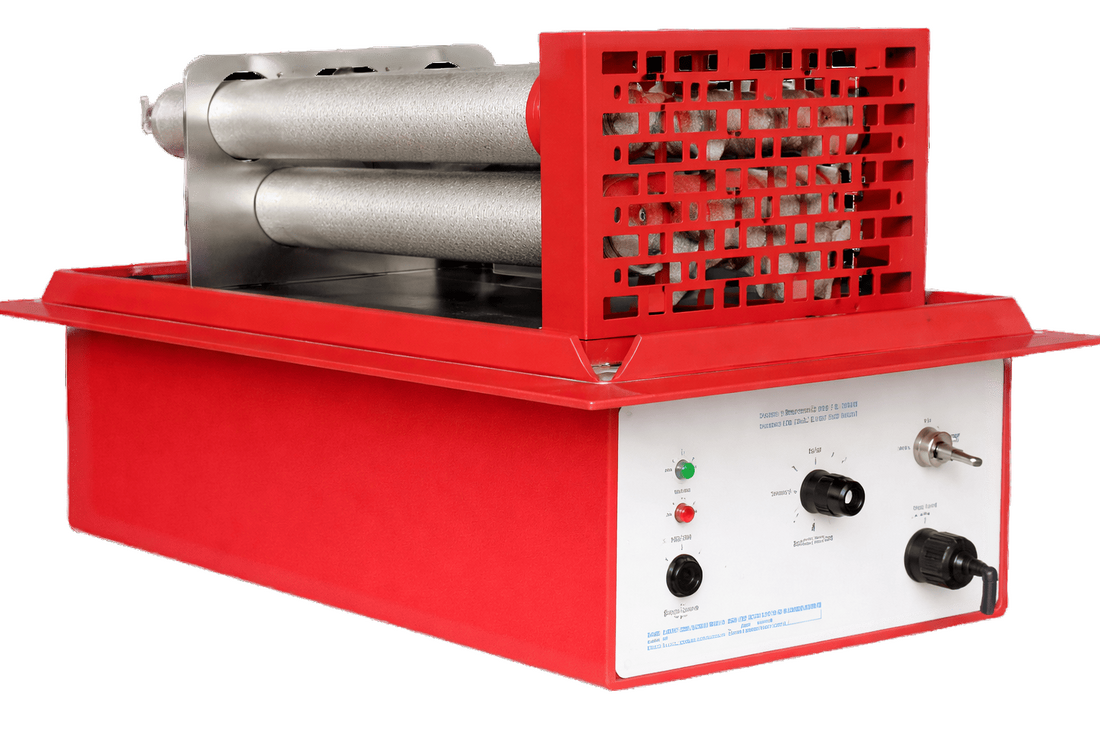
PurAire SG-BPI-5
A heavy-duty, multi-tube ionisation system built for rigorous commercial and institutional airflow requirements. Provides continuous ionisation and odour reduction across larger ventilation networks.
The SG-BPI-5 is available with both horizontal tube configuration (shown) or 5 vertical tubes
- Best for open-plan offices, restaurants, schools, medical waiting wings, and medium commercial buildings.
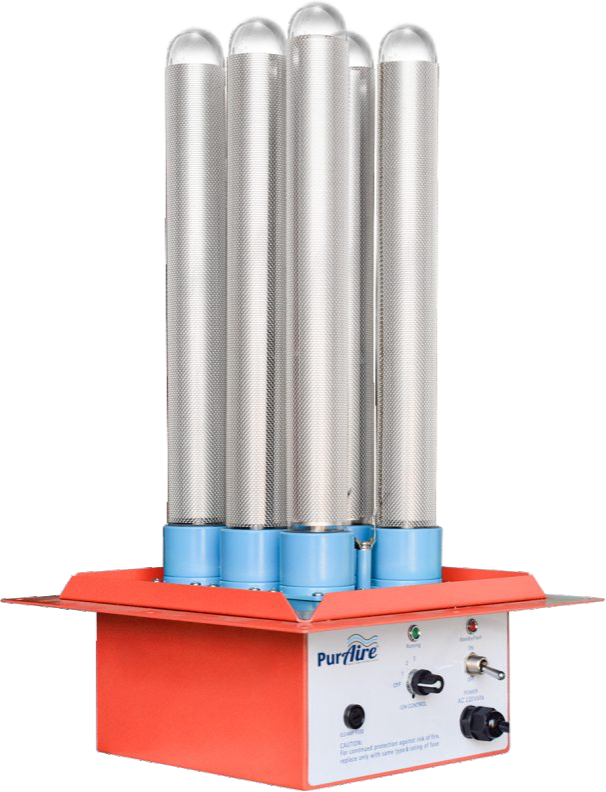
PurAire SG-BPI-6
Designed for large-scale central air systems, the SG-BPI-6 delivers high-density ion output to purify vast volumes of circulating air. It is ideal for facilities dealing with high occupancy rates and heavy daily air quality demands.
The SG-BPI-6 is available with both vertical tube configuration (shown) or 6 horizontal tubes
- Best for large commercial complexes, hotel ventilation mainlines, shopping malls, and multi-story towers.
PurAire SG-BPI-8
An ultra-capacity in-duct unit featuring an expanded array of ionisation tubes for massive commercial and industrial air-handling units (AHU) up to 20,400 m³/h and 1,500 m².
The SG-BPI-8 offers an expanded tube array for large commercial and industrial air handling units, where the volume of air moved needs more ion output than the mid-range units provide.
The SG-BPI-8 is available with both horizontal tube configuration (shown) or 8 vertical tubes.
- Best for large commercial complexes, hotel ventilation mainlines, shopping malls, and multi-story towers.
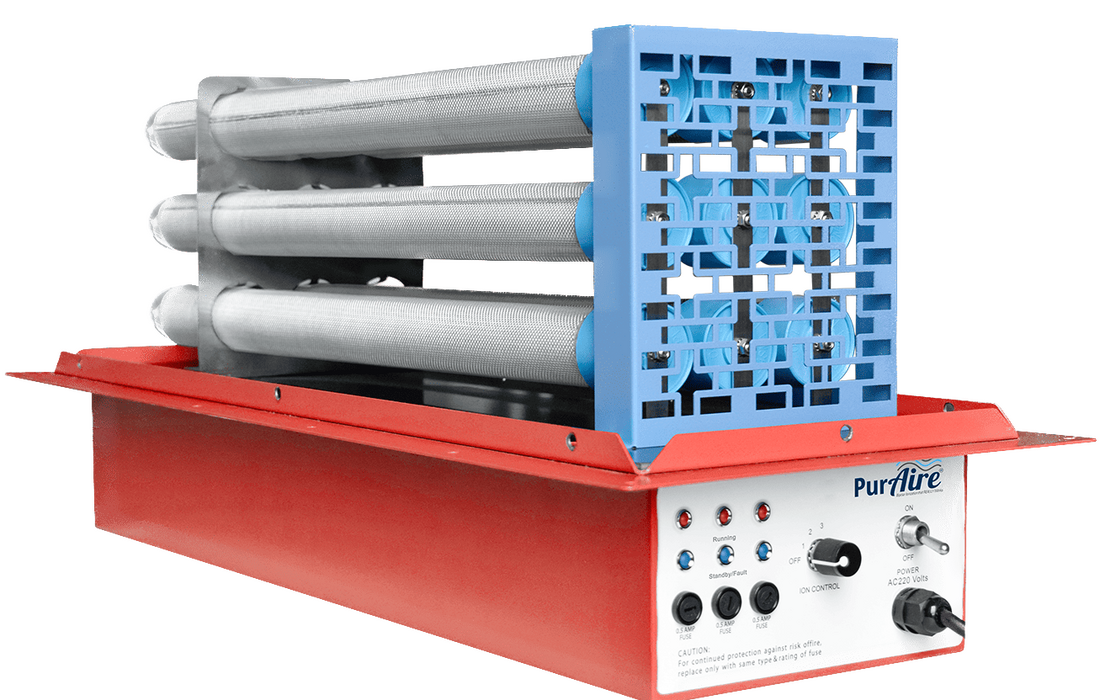
PurAire SG-BPI-9
Engineered specifically for massive industrial ventilation systems and high-flow central ducts, the SG-BPI-9 tackles heavy-duty air purification challenges, neutralizing heavy pollutants and large volumes of airborne contaminants.
It is designed for high-flow commercial and industrial AHUs, with a published airflow rating of 28,900 m³/h and coverage up to 2,000 m² and is available with both horizontal and vertical tube configurations.
- Best for industrial manufacturing plants, massive public transit hubs, and enterprise-scale building ventilation systems.
PurAire SG-BPI-12
The ultimate powerhouse of the SG-BPI series, featuring a maximum-density tube configuration built for the largest commercial and industrial central air networks.
The SG-BPI-12 is the highest-tube-count model in the current SG-BPI range, with published adaptive airflow up to 36,000 CFM / 61,000 CMH and an application area up to 2,500 m². It is available with vertical or horizontal tube configurations.
- Best for industrial manufacturing plants, massive public transit hubs, and enterprise-scale building ventilation systems.
How Glass DBD Bipolar Ionisation Works
A controlled electrical discharge across a glass dielectric barrier generates positive and negative ions, which are introduced into the HVAC air stream.
As the treated air moves through the duct system and into the occupied spaces, the ions interact with selected airborne contaminants and odour compounds, breaking the chemical bonds that make them smell.
Glass DBD bipolar ionisation can reduce or eliminate persistent odours, selected VOCs, airborne particles and selected airborne microorganisms.
Actual performance depends on airflow, proper bipolar equipment sizing, contaminant type and concentration, treatment time, installation location and environmental conditions.
HVAC Controls and BMS Integration
Depending on the model and installation, PurAire SG-BPI systems can be configured with an airflow switch, fan interlock or BMS integration so that ionisation operates with the HVAC airflow rather than continuing to run when the air-handling system is off.
The optional airflow switch is a common arrangement and helps avoid unnecessary operating hours, which can extend ionisation-tube service life as well as saving energy.
BMS and MODBUS connectivity are also available on selected configurations as an option.
Tell us how your plant is controlled and we will recommend the appropriate control arrangement for the installation.
Typical Commercial Applications
PurAire SG-BPI systems can be considered for:
- Hotels and resorts — guest floors, lobbies, ballrooms, back of house
- Offices, commercial buildings and co-working facilities
- Hospitals and healthcare facilities
- Shopping malls and department stores
- Casinos and entertainment venues, including smoking areas
- Restaurants and F&B facilities with central HVAC
- Ballrooms and conference centres
- Universities and institutional buildings
- Bin centres, grease trap rooms and back-of-house plant areas
- Toilets, changing areas and other high-odour zones
In-Duct AHU Ionisation or Fan Coil Unit Ionisation?
It depends on how your building moves its air.
PurAire SG-BPI in-duct systems are designed for central AHUs and supply ducts serving multiple rooms or zones. A correctly selected unit can serve the areas downstream of that AHU, subject to the HVAC layout and airflow.
The PurAire SG-FCU/2 and SG-FCU/3 are designed for installation inside individual fan coil units — a common arrangement in hotel guest rooms and many commercial buildings.
The PurAire SG-Mini series covers smaller fan coil and compact-duct applications.
Buildings with a combination of central AHUs and individual FCUs may require a combination of systems.
Send us the HVAC layout and airflow figures and we will recommend the appropriate approach.
A Note on Ventilation Rates
Installing PurAire Bipolar ionisation may help reduce your need for outdoor air, which can greatly reduce your energy consumption.
But, installing an ionisation system does not automatically justify reducing outdoor-air ventilation. Any change to ventilation rates should be evaluated by the project’s qualified HVAC or IAQ professional against the applicable standard and the actual contaminant load.
We would rather say that plainly than sell you a system on an energy savings your engineer cannot sign off on or is unobtainable.
Testing, Evidence and Transparency
A laboratory reduction percentage is only useful when you can see the test conditions — what contaminant was tested, which configuration was tested, the chamber or room size, the treatment period, and the airflow and operating conditions.
VOC and Odour Compound Reduction
In controlled laboratory testing by Guangdong Detection Center of Microbiology to JG/T 294-2010, a PS-505TT five-tube in-duct configuration was tested in a 30 m³ chamber for two hours.
Reported reductions under those test conditions were:
- Total VOCs: 97.6%
- Benzene: 97.0%
- Hydrogen sulphide: 96.6%
- Ammonia: 95.6%
- Formaldehyde: 95.0%
What This Testing Does and Does Not Cover
These results were obtained on a particular configuration under controlled chamber conditions.
They should not automatically be applied to every SG-BPI model or every occupied building. Real-world performance varies with airflow, contaminant concentration, HVAC design, operating time and environmental conditions.
Particulate Removal
Tested by Guangdong Detection Center to APIAC/LM 01-2022, in a 3 m³ chamber over 2 hours, on the MiniPro / LiftPro configuration: 99.94% PM2.5 removal, against 4.55% natural attenuation over the same period.
No Replacement Filters. Long-Life Ionisation Tubes
SG-BPI systems do not use replaceable filtration media, so there are no replacement filters to purchase, stock or dispose of.
Glass DBD ionisation tubes are rated for approximately 17,000 operating hours and should be cleaned (generally once a year) in accordance with the maintenance instructions for the specific model and installation.
When an optional airflow switch or HVAC interlock is used, the system operates with the air-handling equipment rather than accumulating unnecessary running hours while the fan is off.
Need Help Sizing an In-Duct System?
Send us:
- Your AHU airflow in CFM or CMH
- Duct dimensions
- Number of AHUs
- Rooms or zones served by each
- Available installation space
- HVAC operating hours
- The odour or indoor-air problem you are trying to solve
We will help you identify the appropriate SG-BPI configuration for your HVAC system — and tell you if an FCU-mounted system, another PurAire solution or a different treatment approach would be more appropriate.
PurAire Singapore – A division of ProMedUSA Pte Ltd
Office: +65 6836 9665
WhatsApp: +65 9456 8313
Frequently Asked Questions
Our comprehensive SG BPI series ranges from the single tube SG-BPI-1 to the industrial-strength SG BPI-12, which is capable of purifying large spaces up to 2,500 SqM. Models are available in both vertical and horizontal tube configurations to fit any HVAC, FCU, or AHU setup.
All PurAire in-duct models are available as an option with an Integrated Airflow switch and BMS & Modbus Connectivity at slight additional cost. This ensures the ioniser only operates when the fan is running, significantly saving energy and extending the lifespan of the Glass DBD ion tubes up to 17,000 hours.
Selected PurAire systems are UL867 and UL2998 certified for Zero Ozone production. Those are ideal for high-traffic environments like hotels , guest rooms, restaurants, casinos and hospitals where continuous, safe air disinfection and odour removal are required.
SG-BPI models are designed primarily for central AHUs and supply ducts serving multiple rooms or zones. SG-FCU/2 and SG-FCU/3 models are designed for individual fan coil units serving a guest room, office or local area.
Correct – there are NO consumables. There are no filters to buy, stock, or dispose of. The high-output Glass DBD tubes have an operational life of 17,000+ hours.
Our current range of in-duct and HVAC installed bipolar ionisers will handle airflows from 3,100 CMH (SG-BPI-1) to 61,000 CMH (SG-BPI-12)
Our current range of in-duct and HVAC installed bipolar ionisers will handle airflows from 3,100 CMH (SG-BPI-1) to 61,000 CMH (SG-BPI-12).
Our glass DBD tubes are rated for approximately 17,000 operating hours. They should be inspected and cleaned generally once a year, depending upon how dusty and dirty the air flow may be inside the duct. Maintenance is very simple. Simply remove the tube, wash it with soap and water, rinse it, dry it, and put it back. Also note that our SG-BPI units require no replacement air filters.Our glass DBD tubes are rated for approximately 17,000 operating hours. They should be inspected and cleaned generally once a year, depending upon how dusty and dirty the air flow may be inside the duct. Maintenance is very simple. Simply remove the tube, wash it with soap and water, rinse it, dry it, and put it back.
Also note that our SG-BPI units require no replacement air filters.
The PurAire in-duct range is designed for installation inside commercial HVAC air-handling units and supply ducts. It provides bipolar ionisation through the building’s existing airflow rather than using separate roomside equipment.
Model selection should be based primarily on HVAC airflow in CFM or CMH, duct dimensions, installation location, operating hours and the rooms or zones served. Floor area alone is not the best way to size an in-duct ioniser.
PurAire SG-BPI systems are typically installed inside an Air Handling Unit or commercial supply duct where there is sufficient airflow and suitable mounting space.
Yes, they can be configured with appropriate fan interlocking or airflow controls so ionisation operates with the ventilation system. The exact control method depends on the model and installation.