Why Glass DBD Tubes are the Gold Standard for Bipolar Ionisation
What “Glass DBD Bipolar Ionisation” Actually Means
Bipolar ionisation is an active air treatment process that generates both positive and negative oxygen ions. Unlike passive filtration (like HEPA) which waits for air to pass through a filter, these ions are released into the airflow to seek out airborne pathogens and odour molecules in the breathing zone.
The Maintenance Crisis: Glass vs. Multicore Composite Tubes
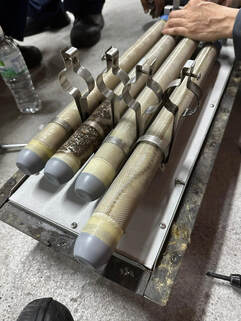
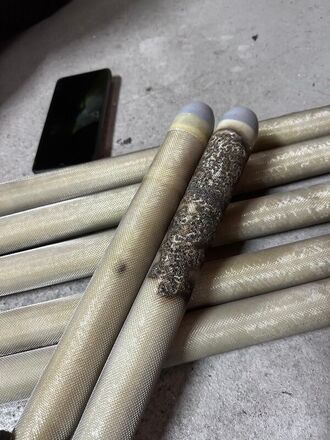
For facility teams in hotels, clinics, or bin centres, equipment must survive high humidity and constant operational stress. As shown in the image below, multicore composite tubes can occasionally smoulder or char over time. Glass tubes do not.
Technical Comparison Table
| Feature | Glass DBD Bipolar Ionisation | Multicore Composite Tubes |
| Material Integrity | Inherently resistant to scorching and deformation. | Prone to smouldering and charring under stress. |
| Output Stability | Predictable ion volume over long run-hours. | Output drops significantly as the core degrades. |
| Operational Safety | Stable for continuous use in occupied spaces. | Higher risk of equipment failure and “credibility” issues. |
When an ionisation tube’s core degrades or chars—as has been seen in Multicore Composite designs used by brands like AtmosAir—the building’s air quality slowly slides back into the same odour, mould and VOC complaints that the system was supposed to solve.
Revenue Protection: Odours, Mould, and Pathogen Risk
Facility managers, hotel engineers, GM’s rarely buy “ions”—they buy outcomes. A durable glass tube design from PurAire Singapore supports three major operational wins:
1. Active Odour Neutralisation:
Persistent smells are often VOCs (Volatile Organic Compounds) off-gassing from furniture, carpets, or mould and mildew, tobacco odours, body odours, etc. Masking sprays only add fragrance; they do not solve the chemistry and guest’s are quick to figure out that something isn’t right. Bipolar ionisation
saturates the indoor space with bipolar ions that interact with the odours and VOCs at their source and in the air that you’re breathing and eliminate them on contact.
2. Mould and Microbial Pressure:
In humid climates, mould is a constant threat. By reducing the airborne microbial load and disrupting growth conditions, and killing the mould spores floating everywhere in the air, our glass DBD systems help stop the cycle of recurring musty odours—the kind that return just hours after a manual deep clean or fragrance spray.
3. Protecting Room Inventory and putting $$$ to your bottom line:
In the hospitality sector, the commercial impact is straightforward: faster room refreshes mean fewer “blocked” rooms and fewer guest complaints. When a room turns reliably and smells truly fresh, it protects the hotel’s revenue and reputation.
Contact us:
Discover why Glass DBD tubes are superior to Multicore Composite tubes for Bipolar Ionisation. Learn how PurAir’s proven technology prevents charring and ensures 24/7 odour and mould control for hotels, resorts, hospitals, clinics, offices and classrooms in Singapore and Malaysia.